Ruby argument handling explained: positional arguments with *args, keyword arguments with **kwargs, and the three-dot syntax from Ruby 2.7 that forwards everything at once. Code examples for each, plus guidance on when each style keeps methods readable.
The IDesign method by Juval Lowy structures software architecture for change instead of functional decomposition. Why decomposing by requirements breaks systems over time, the core IDesign principles, a three-step design process, and implementation tips.
DevContainers pack your whole development environment into a container: app, database, Redis, and tooling isolated from your machine. A short guide to Rails 7.2's built-in devcontainer generator, the files it creates, and opening the project in VS Code.
Deep equality in JavaScript is trickier than it looks: JSON.stringify fails when key order differs. Compare the real options: the deep-equal package, writing your own recursive check, lodash isEqual, and Node's built-in assert.deepStrictEqual.
Turbo Frames let Rails reload just a fragment of the page instead of the whole thing, with no custom JavaScript. What Turbo Frames are within Hotwire, a practical example of wrapping views in frames, and the responsiveness gains you get almost for free.
BiomeJS formats and lints JavaScript, TypeScript, JSX, and JSON up to 35x faster than Prettier, with almost 97% compatibility. How to install it, migrate your Prettier config to biome.json, and cut minutes off CI without changing how your code looks.
JavaScript's AbortController lets you cancel fetch requests on demand: wiring an AbortSignal into fetch, calling abort, listening for the abort event, and handling cancelled requests without unhandled errors, with runnable examples.
Signed Git commits set up in minutes: the modern SSH key method for git 2.34+, from gpg.format ssh config through adding your key on GitHub, so your commits get the Verified badge. Commands included for Mac and Linux.
Simplifying complicated TypeScript with the KISS principle: refactoring examples show when explicit types improve a simple function and when clever type gymnastics make code harder to review, test, and maintain.
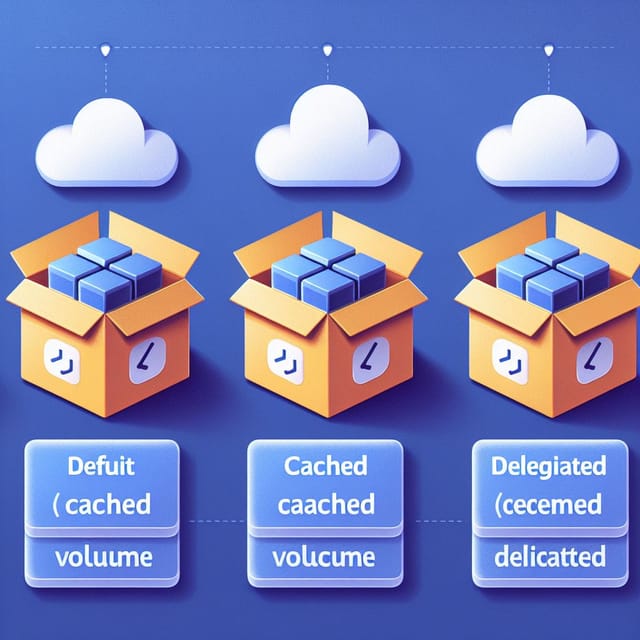
Docker's cached and delegated volume modes explained: how the three consistency options differ, when to relax host-container syncing for faster I/O, and a docker-compose Nginx example showing exactly where to put each flag.
TypeScript switch statements can be more than a chain of cases: wrap the switch in a function for cleaner returns, or swap it for an object map for flat, readable branching. Each technique comes with code samples, pros, and cons so you can pick the right one.
Committed an .env file with secrets to Git? Three steps remove it from history forever: add it to .gitignore, rewrite every commit with git filter-branch, then git push --force the cleaned history. Exact commands included, plus what the rewrite does to your repository.
Ruby DSLs demystified by building three of them: a Minitest-like test framework, a Rails-style routes definition, and an RSpec-like spec syntax. See how blocks, instance_eval, and Ruby metaprogramming turn plain classes into a friendly mini-language.
Genetic algorithms meet Ruby Ractors: a script that repaints Lady with a Weasel generation by generation. Follow the full lifecycle (mutation, fitness scoring, crossover), see how Ractor parallelism speeds up scoring specimens, and view the final result.
The Record utility type in TypeScript builds object types with fixed keys and value types. A worked example shows Record<Keys, Type> with union keys: restricting IDs to chosen literals and mixing User and AdminUser values, so the compiler flags missing or extra entries.
ETags let browsers skip downloading content that has not changed. What entity tags are in HTTP, then the Rails caching toolkit: stale?, fresh_when, expires_in, expires_now, public requests, and http_cache_forever, each shown with a concrete controller example.
Run any command in the background in bash by appending &, check it with jobs, and stop it with kill -9 %. A short guide using a Rails server as the example, so long-running processes stop blocking your terminal while you keep working.
Bottom navigation sitting too close to the screen edge on iPhone X and newer? The fix for iOS and Android PWAs is the safe area: use CSS env(safe-area-inset-bottom) to adjust the bottom padding so the bar clears rounded corners and the home indicator.
JavaScript prototypes explained through a working example: turning a standalone myCustomForEach helper into an Array.prototype method you can call directly on any array. See how prototypes share properties and methods between instances of the same object type.
The Singleton pattern in Ruby, shown two ways: a hand-rolled class using private_class_method :new with a self.instance accessor, then a cleaner refactor with the built-in Singleton module. What the pattern guarantees and when one shared instance is worth it.
Instance variables versus class variables in Ruby: what @ and @@ actually mean, why an @ variable set at the class level stays empty when read from an instance, and how @@ values are shared by every instance. Short code samples make each behavior easy to verify.
Extend, prepend, and include in Ruby each add module code to a class differently: prepend puts the module before the class so its methods win, extend adds class methods, include adds instance methods. Short runnable examples show how each changes the method lookup chain.
Blocks, procs, and lambdas in Ruby all wrap code you can pass around, but they differ in how they check arguments and handle return. Implicit and explicit blocks with yield, building reusable procs, and when a lambda is the safer pick, all shown with runnable examples.
 ruby
ruby