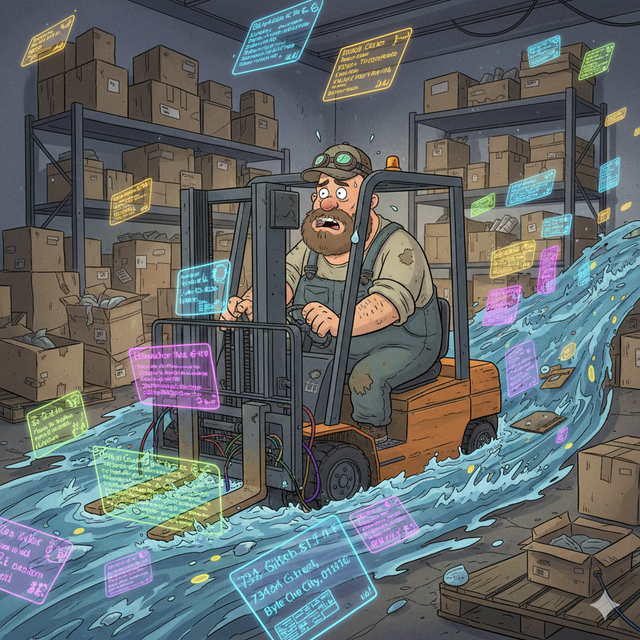
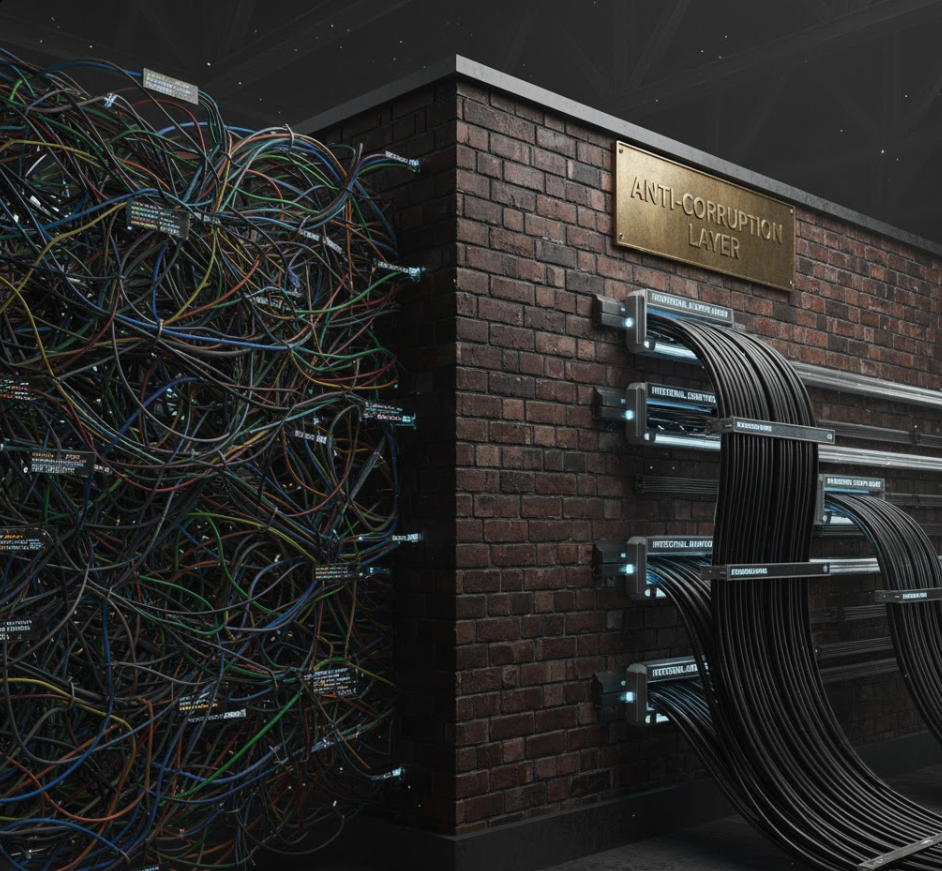
Race conditions in read models are the price of parallel event-driven systems. How to handle events arriving out of order: treat the read model as an anti-corruption layer, separate facts from rumours, and build projections that survive an effect arriving before its cause.
Module boundaries should come from simulation, not subdomain divination. An engineering method for DDD: optimise for modifiability, simulate realistic changes against candidate boundaries, prove the split with stable contracts, and explain it to the business.
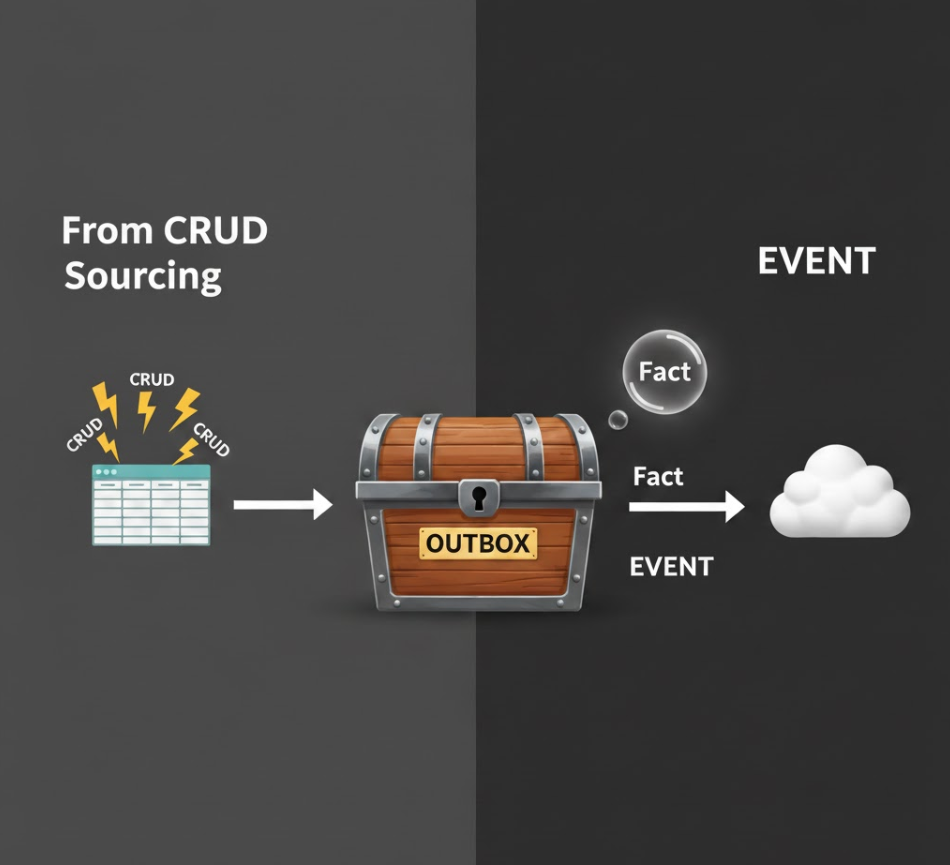
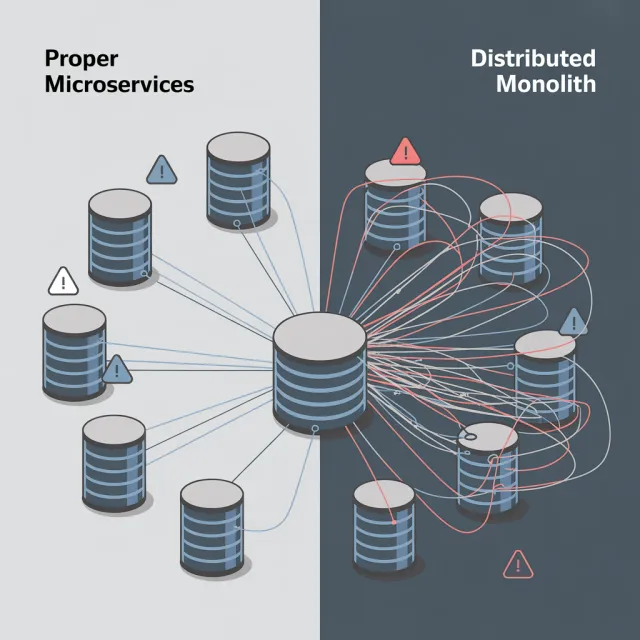
Event-driven architecture with Kafka can still be a distributed monolith. The anti-patterns that get you there: CRUD sourcing, property sourcing, clickbait events, missing commands, and the fixes: rich events, outbox, internal vs external events, anti-corruption layers.
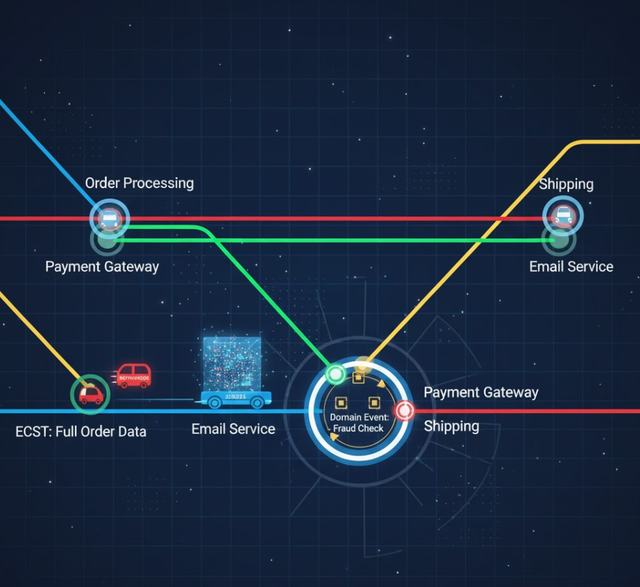
Not all events are equal: domain events, Event Carried State Transfer, notification events and the Claim Check pattern each serve a different job. A typology of what you are really sending, plus the event vs command distinction that prevents architectural chaos.
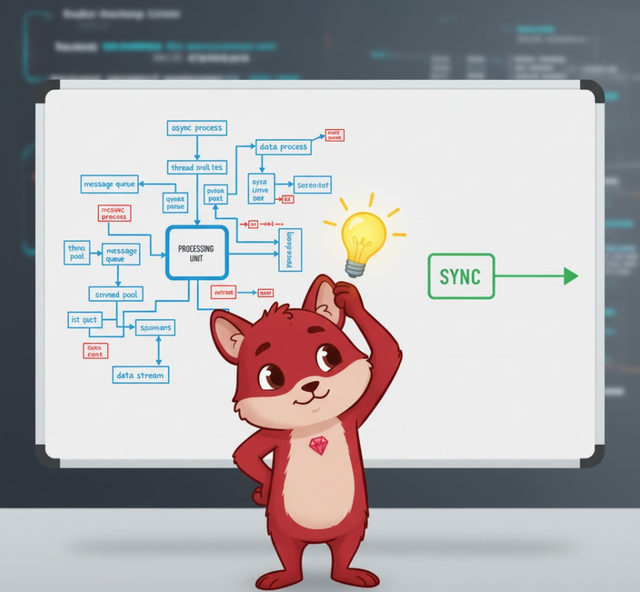
Messaging is not a default answer. When a business flow is synchronous, queues add complexity without value and message ordering becomes your biggest pitfall. How to recognise the cases where a simple synchronous call keeps the system easier to build and debug.
Sidekiq capsules let you give each queue its own concurrency, so photo processing stops clogging urgent jobs and API calls stay under rate limits. A three-step setup: configure the capsule, assign the job, and call it, with configuration examples.
Remember what you read without cramming: an engineering approach to active reading. Why autopilot scanning wastes hours, how marginal note-taking forces real thinking, and why going slower at the beginning makes you faster at the end.
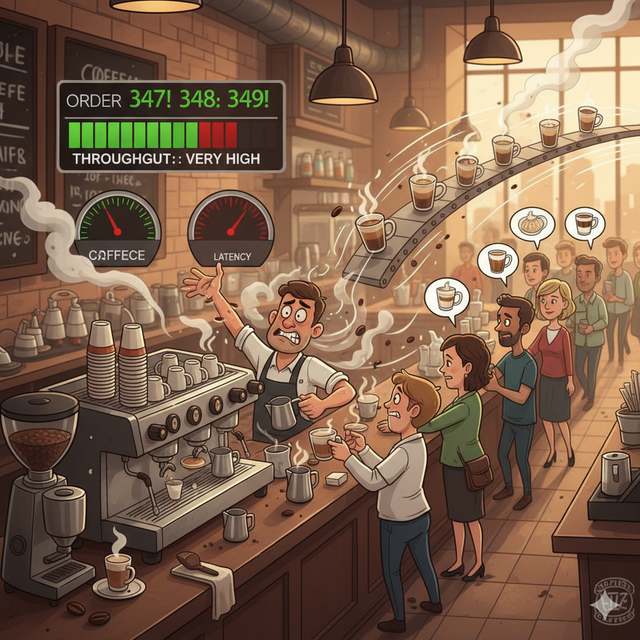
Rails performance starts with understanding the GVL: why only one thread runs Ruby code at a time, how that throttles CPU-bound apps, throughput vs latency, choosing a server, offloading to background jobs, and how to instrument and measure before optimising.
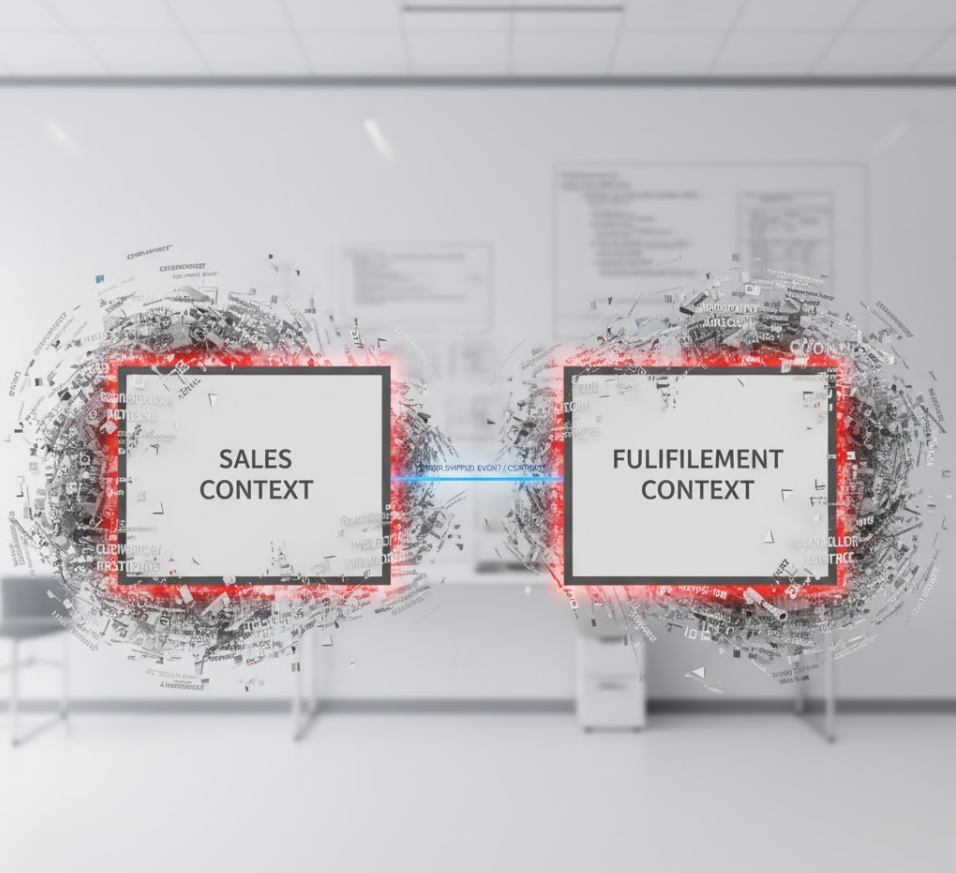
Siamese twin modules force a change in one place to ripple into another. How domain leakage and state-transfer events create a distributed monolith, and how contextual modularization with the right communication patterns cuts the connection, without cargo cult.
DDD is not aggregates first: the discovery process is the heart of it. Why strategy with domain experts beats jumping into tactical patterns, the language pitfalls that derail modelling, the 'what if' trap, and why change must come from above and below.
Event-driven systems lose, duplicate and reorder messages unless you design against it. Practical patterns for reliable delivery: the outbox pattern, change data capture straight from the database, handling order and duplicates, and how to test it all.
PostgreSQL lock timeouts strike during long migrations and complex transactions. How lock_timeout and statement_timeout actually work, quick fixes at the database role level, managing timeouts in Rails migrations, and global protection with StrongMigrations.
Architectural Kata is a flight simulator for system design: practice big architecture decisions in a safe setting instead of waiting years for a greenfield. How a kata session works, six perspectives that change the outcome, and why architecture is communication.
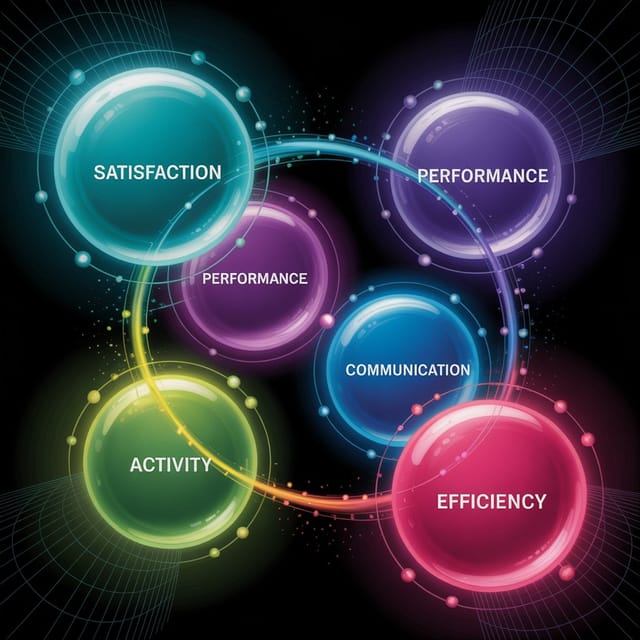
Measuring developer productivity with one metric backfires: lines of code and commit counts create misleading incentives. The SPACE framework tracks five dimensions (satisfaction, performance, activity, collaboration, efficiency) for an honest picture of a team.
after_all_transactions_commit solves a classic Rails race condition: a background job looking for a record that is not committed yet. How the new ActiveRecord callback works inside and outside transaction blocks, and when to reach for it.
Microservices vs monoliths is a trade-off, not a dogma. Why companies really migrate (team coordination, not speed), the complexity bill that follows, what DoorDash's transformation shows, and how to pick architecture on evidence instead of fashion.
PostgreSQL database size checks in a few simple SQL queries: list all databases with pg_database and pg_size_pretty, then break down the biggest tables in a schema, indexes included. Spot what eats disk space before it slows backups and raises infrastructure costs.
Slow SQL queries in Rails can be caught in development, before they become production fires. Using ActiveSupport::Notifications and the sql.active_record event, you build a small performance guard that logs every query above a time threshold straight to your console.
Idle PostgreSQL connections eat memory and can hit the max_connections limit, blocking your app. How to find old sessions in pg_stat_activity, close them safely with pg_terminate_backend, and automate the cleanup so hanging connections never pile up again.
AASM adds complexity most Rails apps don't need. How to replace the state machine gem with Rails 7.1+ enum, validations, and small service objects: a project management example with forms, translations, unit tests, multiple enums, and state history tracking.
Deprecation lets you remove old Rails code without breaking teammates' apps overnight. A practical look at ActiveSupport::Deprecation: why sudden deletes hurt, how to warn about methods scheduled for removal, and how to phase out code in a civilized way.
Sending large files through Rails wastes memory and blocks app workers. X-Sendfile hands the transfer to NGINX while Rails keeps authentication and caching: server configuration, cache headers, testing in development, other HTTP servers, and a complete example.
ActiveJob::Continuable lets long-running Rails jobs survive restarts: split work into steps, track progress with cursors and checkpoints, and resume exactly where the job stopped. Covers error handling, queue adapter support, and a practical example.
 event-driven-design