Database enums in PostgreSQL give Rails apps type safety, implicit ordering, and faster queries than string columns. Single-value enums with validation, multi-select enum arrays, dynamic enum management, and the migrations that wire it all together.
Rails console sandbox mode wraps every database operation in a transaction and rolls it all back on exit, so you can experiment safely. How to launch it, plus the traps: database locking, non-rollbackable operations, and why production use still needs care.
Legacy services with mismatched method names (validate, execute!, run!) can be unified with Ruby method objects. How to build one dispatcher that calls the right method on each class, why it beats conditionals, and what it does for readability.
PostgreSQL table size is more than the data: pg_table_size, pg_indexes_size, and pg_total_relation_size each measure different things. One ready SQL query lists every table with data, index, and total size, sorted by the biggest disk consumers first.
Frugal Architecture is Werner Vogels' framework for cost-conscious system design: three pillars (Design, Measure, Optimize) and seven laws, from treating cost as a non-functional requirement to continuous optimization, explained with practical examples.
Password security depends on entropy, not special characters. The math behind entropy = N * log2(R), why length beats complexity rules, why database breaches (not login guessing) are the real threat, and implementation tips for saner password policies.
ActiveSupport::Notifications lets you listen to Rails events like transaction.active_record without extra gems. How the instrumentation API works, subscribing to built-in Rails events, and publishing your own custom events for better observability.
Colored terminal output in Ruby takes a few lines: extend String with ANSI escape methods like red, green, and bold, add colorized logging to the Rails logger, or reach for a gem when you need more. Copy-paste snippets for scripts and console logs.
Effective communication in tech teams starts with context: "the payment module shows timeout errors" beats "it's broken". Communication styles, framing, active listening techniques, common pitfalls, and how clear messages build trust with your team.
Upgrading PostgreSQL from 16 to 17 in Docker without losing data: run both versions side by side in docker-compose, back up with pg_dump, restore into the new container, then switch the app over. Five concrete steps plus the gotchas to watch out for.
Deploy a NextJS app with Docker and Bun using a three-stage Dockerfile: install dependencies with a frozen lockfile, build the app, then run the standalone output on oven/bun:alpine. Faster installs than npm and a small production image, step by step.
HTTPS for local iOS development with mkcert: generate a local certificate authority, create SSL certificates for your dev domains, and install the root certificate on a simulator or real device so Safari and your native app trust your local Rails server.
Coupling in distributed systems goes far beyond shared code: technology, location, semantic, data format, conversation, topology, order, and temporal coupling each hurt resilience differently. What every type looks like and how to keep services independent.
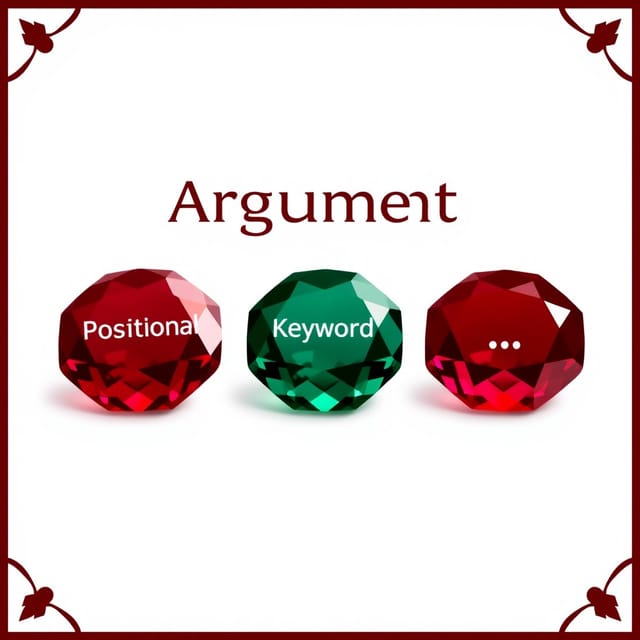
Ruby argument handling explained: positional arguments with *args, keyword arguments with **kwargs, and the three-dot syntax from Ruby 2.7 that forwards everything at once. Code examples for each, plus guidance on when each style keeps methods readable.
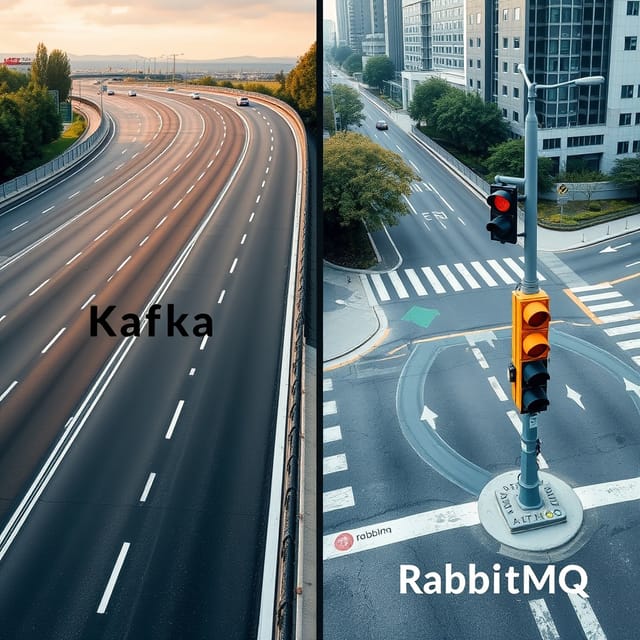
Kafka and RabbitMQ solve messaging differently: Kafka is an append-only streaming log with fan-out consumers and offsets, RabbitMQ a classic broker with exchange routing and explicit acks. A side by side comparison to pick the right one for your system.
Dockerize NextJS development with docker-compose watch: sync ./src into the container, rebuild on dependency changes, and keep hot reload working. A complete docker-compose.yml and Dockerfile you can copy for a reproducible dev environment in minutes.
The IDesign method by Juval Lowy structures software architecture for change instead of functional decomposition. Why decomposing by requirements breaks systems over time, the core IDesign principles, a three-step design process, and implementation tips.
Locked out of SSH? Portainer can get you root back: deploy a privileged busybox container that mounts the host filesystem at /host and gives you an interactive shell. The exact Docker Compose script, the security implications, and when this trick is justified.
The C4 model documents software architecture as four zoom levels: Context, Containers, Components, and Code. See how the diagrams work on a concrete example (a paid blog application) and why this hierarchy keeps developers and stakeholders oriented.
Rails controllers bloated with subscription checks? Extract that logic into custom filter classes: a before_action that delegates to a dedicated object, giving cleaner controllers, clearer error messages, easier testing, and a pattern you can expand.
DevContainers pack your whole development environment into a container: app, database, Redis, and tooling isolated from your machine. A short guide to Rails 7.2's built-in devcontainer generator, the files it creates, and opening the project in VS Code.
CSS units decide how responsive and accessible your site is. A practical tour of px, em, rem, vh, vw and friends: what absolute, relative, and viewport based units really do, plus a short opinionated guide on which unit to pick for fonts, spacing, and layout.
Basic HTTP authentication in plain Ruby on Rails, no gems: protect an admin namespace with a route constraint class that checks credentials. Full code for routes.rb, the AdminConstraint, the admin controller, and the security caveats you should know.
 ruby
ruby